What to Expect from Behavioral Health Consulting
Navigating the complexities of the modern healthcare landscape can be overwhelming for both social service agencies and families. Whether you face changing rules in California or care for a child with a mental health disorder, the next steps may not be clear. This is where behavioral health consulting comes in.
But what does a behavioral health consultant actually do? Unlike traditional therapy, which focuses on clinical treatment for an individual, behavioral health consulting is about systems, strategies, and sustainable solutions.
Here is what you can expect when you partner with a professional consultant.
1. A Comprehensive Organizational Audit
For agencies, the first step is often an evaluation of your current operations. In an era where workforce retention is a critical challenge, a consultant looks beyond the surface. We analyze your mission, strategy, and culture to identify where the disconnects are happening.
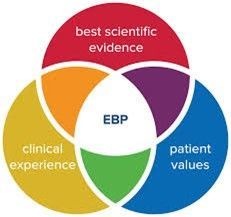
You can expect a deep dive into your data. This will show if your evidence-based practices (EBPs) deliver the results you promised stakeholders.
2. Navigating Regulatory Compliance
California’s regulatory environment is one of the most rigorous in the nation. If you are an agency, you may need STRTP consulting or preparing for CARF accreditation.
In either case, your consultant should act as a project manager. We bridge the gap between procrastination and preparation. We make sure your policies and procedures meet state and national standards.
3. Empowerment Strategies for Families
For parents, the Intensive Parent Model acts as a specialized form of training to help consulting. Instead of solving parenting programs, this model focuses on helping the parent result their stress first, then understand the behavioral strategies their children need.
4. Specialized Training and Education
Expect a focus on professional development. We offer more than 60 training courses for your staff to improve their skills and, in turn, employee retention. By learning how to properly intervene with youth experiencing aggression or understanding the impact of ACEs in youth, our courses ensure your staff have the tools they need to succeed. Whether you need trauma-informed care or suicide prevention training, our behavioral health training meets your staff's needs.
5. Measurable Outcomes and Long-term Sustainability
Finally, you should expect results. Our goal is to help your organization. It helps you move from reacting to problems to being proactive.
By the end of a consulting engagement, you should have a clear roadmap. You should also have better compliance. You should have a stronger workforce.
Ready to take the next step?
If your organization is facing funding uncertainty or struggling with staff turnover, don’t wait until the situation becomes a crisis. Contact Praxes Behavioral Health today to learn how our tailored consulting services can help you reach, achieve, and excel.
You might also like
Effective and Efficient School-Based Mental Health